Pool losing water? We find the leak and fix it.
Pressure testing, electronic listening and dye testing to pinpoint the leak — then we repair it ourselves. One call, one company, one appointment. Most leak detection outfits hand you a report and a second phone number; we are one of the roughly 20% of Texas pool companies that do the repair in-house. Part of our pool repair service, CPO certified, 21 years in DFW.
Losing water fast? Text us how much you're losing per day and whether it stops when the pump is off — that alone tells us where to start looking.
How we find it
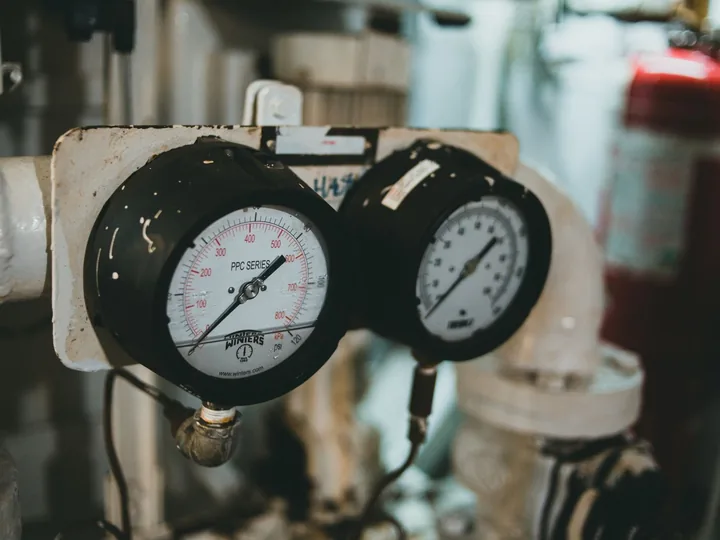
Three proven methods, used together, to pinpoint exactly where the pool is leaking — no guesswork, no unnecessary digging.
Pressure testing
We pressurize the plumbing lines with air and water to identify which pipes and fittings are leaking. This isolates whether the leak is on the suction side, the return side, or in the pool shell itself.
Electronic detection
Electronic listening equipment amplifies the sound of water escaping, so we can pinpoint the exact spot — even underground. Non-invasive and highly accurate.
Dye testing
Specialized dye applied near suspected points in the shell, fittings and light niches is drawn straight toward any crack or gap, confirming the leak location visually.
Is your pool doing this?
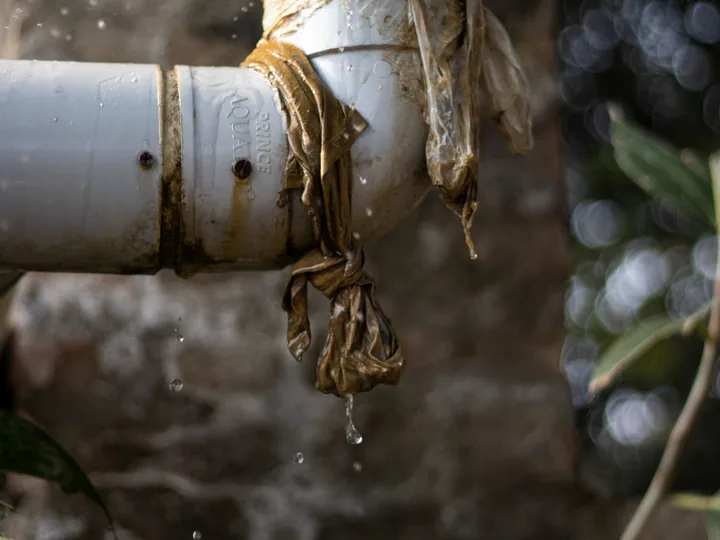
Water level dropping more than ¼ inch a day
Normal evaporation in a North Texas summer is about ¼ inch. Consistently more than that is a leak. Do the bucket test: set a bucket of pool water on a step, mark both levels, check after 24 hours.
It keeps losing water with the pump off
A pool that loses water even when nothing is running usually has a shell, fitting or light-niche leak. If it only loses water while the pump runs, suspect the pressure-side plumbing.
Higher water bills than usual
A leaking pool can waste 10,000+ gallons a month — that is $100–$300 on the water bill before you have fixed anything.
Wet spots around the equipment pad or in the yard
Soggy ground, sunken patches or unusually green grass near the pool point to an underground line.
Adding chemicals more often than usual
Fresh fill water dilutes the chemistry. If you are chasing the chlorine and pH every week, the pool may be quietly refilling itself.
Cracks in the deck, tile or shell
North Texas clay soil shifts with drought and rain. Cracks in the deck or the tile line can mean the shell or the plumbing under it has moved.
Air bubbles coming from the return jets
Air in the system means the suction side is pulling in air somewhere — often a leak at a fitting or in a buried suction line.
Algae that won't go away despite treatment
Constant dilution and chemistry swings let algae keep coming back no matter how much you treat.
We find it and fix it
Most pool leak detection companies only find the leak — then hand you a report and tell you to call someone else for the repair. That means two phone calls, two appointments, and two bills.
Most leak detection companies
- – Detect the leak only
- – Hand you a report to give another company
- – You coordinate two companies and two schedules
- – No warranty on the full process
Pool Pros
- ✓ Detect the leak with precision equipment
- ✓ Repair plumbing, shell and fittings — in-house
- ✓ One call, one company, one appointment
- ✓ Full 1-year warranty on detection and repair
How it works
Leak detection pricing
- $ Leak detection — from $400, most done in 1–2 hours
- $ Repair — quoted before any work starts, no hidden fees
- $ Typical detection + repair — $400–600, 1-year warranty
- $ Underground plumbing or shell work — quoted on site after detection
Why a leak can't wait
A pool leak wastes water and chemicals every day it runs, but the expensive part is underneath you. An undetected leak erodes the soil beneath the deck and, close to the house, the foundation. Foundation repair in Texas averages $5,000–$15,000. Catching the leak costs $400. The longer it runs, the more it costs to put right.
Where we find leaks
Arlington. Hot summers and expansive clay soil put extra stress on pool plumbing and shells. Seasonal drought-and-rain shifts can crack underground pipes and gunite without any sign above ground. We know the local soil, and we can usually have a technician at your pool within 24 hours — from the older neighborhoods near UT Arlington to the newer developments in south Arlington.
Fort Worth. Older pool infrastructure — especially in neighborhoods like Ridglea, the TCU area and west Fort Worth — means aging plumbing lines that are more likely to fail underground, where you can't see them.
Leak detection is a single visit, so it travels further than routed weekly service: Mansfield, Grand Prairie, Kennedale, Pantego, Dalworthington Gardens, Keller, Euless, Bedford, Grapevine, Southlake and Colleyville. Full list on our pool service area page.
Pool leak detection FAQ
How much does pool leak detection cost?
Our pool leak detection service starts at $400. The exact price depends on your pool type and the complexity of the leak. We provide a clear quote before any work begins — no hidden fees.
How do I know if my pool has a leak?
If your pool is losing more than ¼ inch of water per day, you likely have a leak. Other signs include higher water bills, wet spots around equipment, air in the pump, and algae that keeps coming back. Do the bucket test: fill a bucket with pool water, mark both levels, and check after 24 hours. If the pool level dropped more than the bucket, you have a leak.
Do you repair leaks or just detect them?
We do both. We handle the detection and coordinate the repair so you don't have to find a separate company. We manage the entire process from detection through repair, backed by our 1-year warranty. Most leak detection companies only find the leak — we're different.
What types of pool leaks do you find and fix?
We detect and repair plumbing leaks (underground pipes, valves, fittings), structural leaks (gunite cracks, vinyl tears), equipment leaks (pump seals, filter o-rings), and fitting leaks (skimmers, returns, lights, main drains).
How long does pool leak detection take?
Most leak detections are completed within 1–2 hours. Complex cases involving underground plumbing may take longer. We'll give you a time estimate when you schedule.
Do you offer leak detection in DFW?
Yes! We provide pool leak detection and repair throughout the DFW Metroplex including Arlington, Mansfield, Grand Prairie, Kennedale, Pantego, Dalworthington Gardens, Keller, Euless, Bedford, Fort Worth, Grapevine, Southlake, Colleyville, and more. Call 682-399-2593 to schedule.
Can a pool leak cause foundation damage?
Yes — an undetected pool leak can erode soil beneath your foundation, causing cracking and settling. Foundation repair in Texas averages $5,000–$15,000. Catching a leak early costs $400 for detection. The longer you wait, the more expensive the damage becomes. If you suspect a leak, call us immediately at 682-399-2593.